


Associate Professors Suzan Wasik and Raychelle Lohmann will apply their knowledge from the University Psychedelic Education Program to Â鶹ÊÓƵ’s new Clinical Mental Health Counseling master’s program, launching in Fall 2026.
Two Â鶹ÊÓƵ faculty members haveÌýbeenÌýselected to join a national cohort of health sciences professionals from 45 colleges and universities focused on preparing the future healthcare workforce to engage with psychedelic therapeutic treatments.Ìý
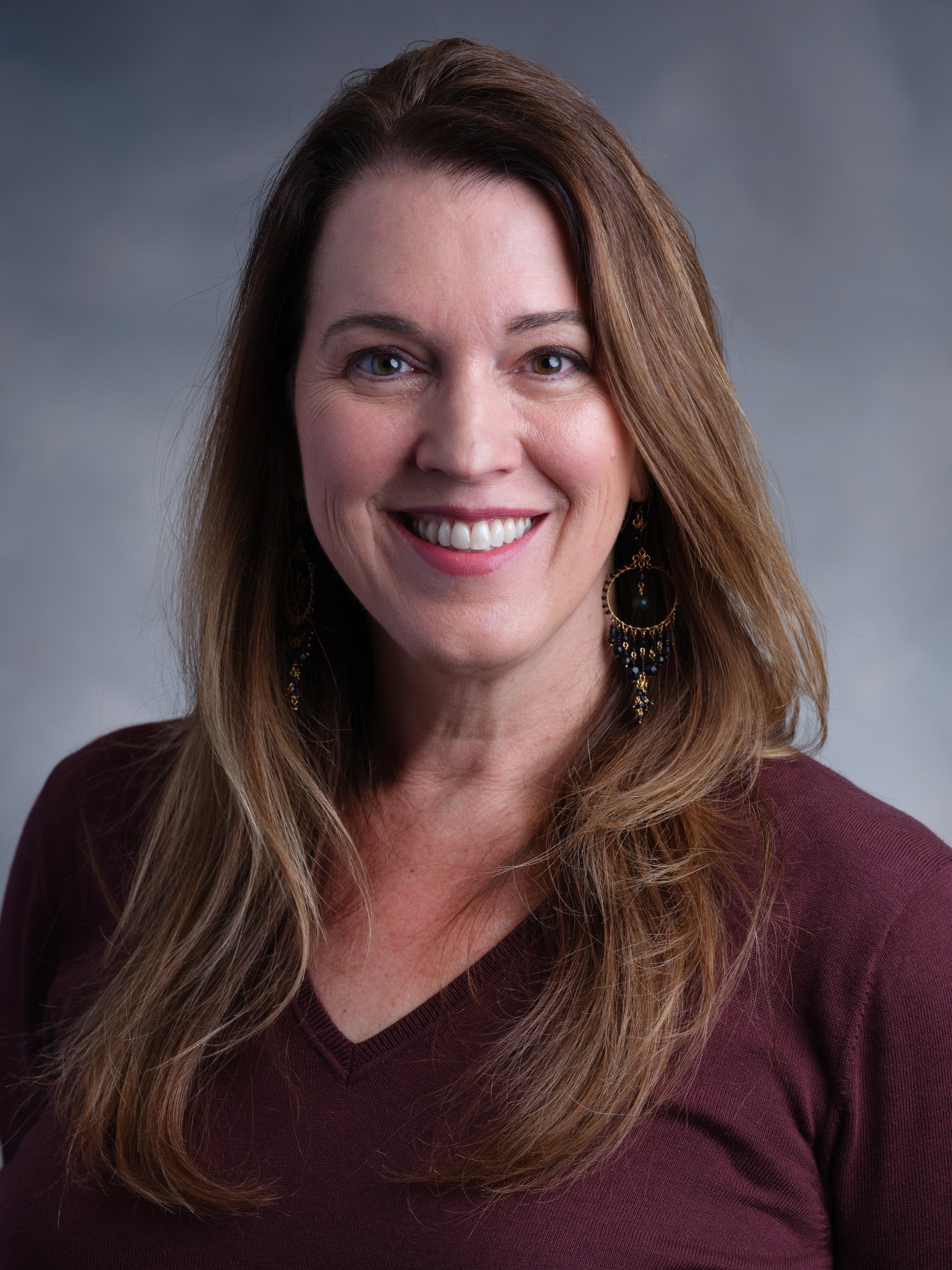
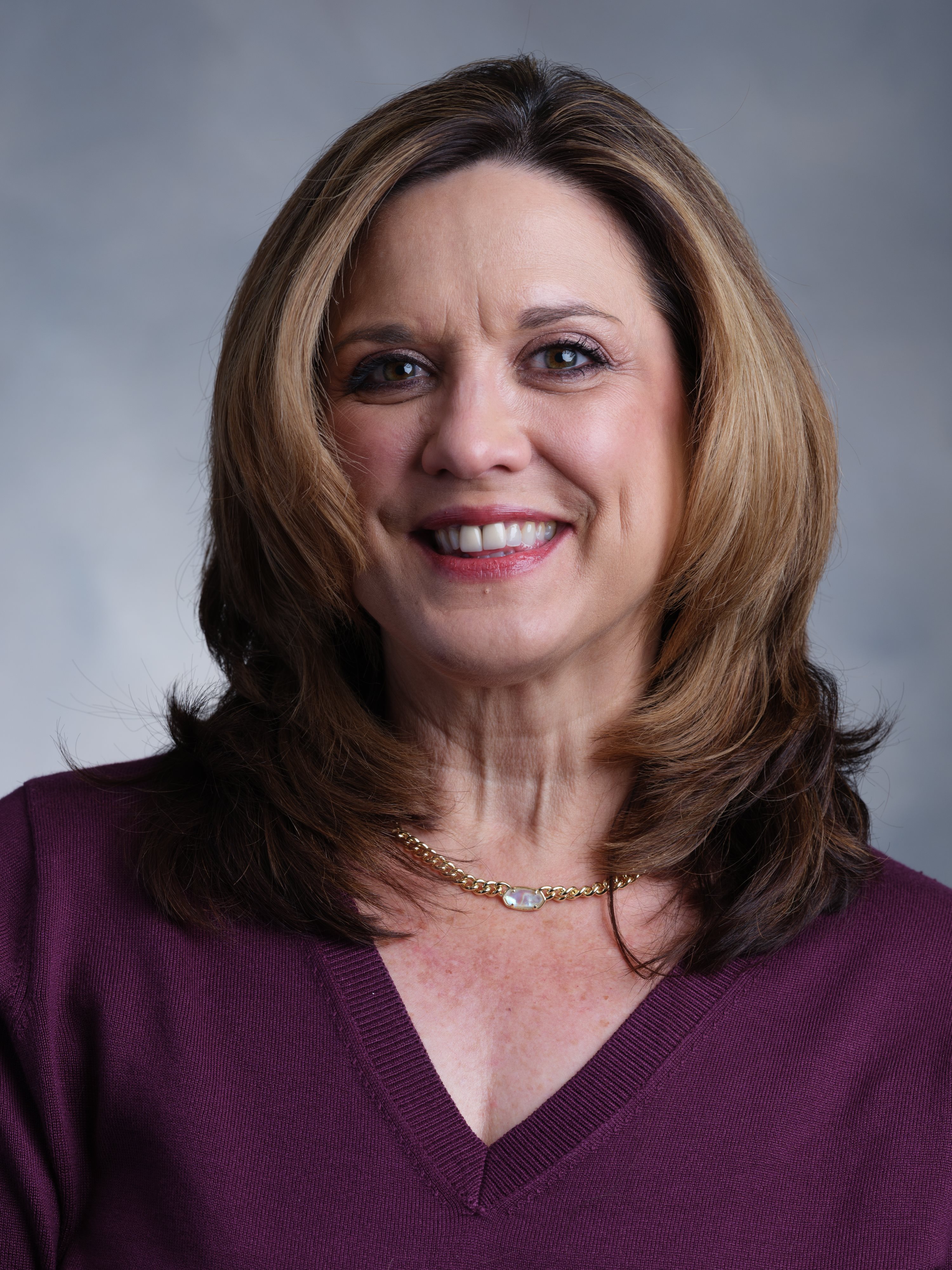
Suzan WasikÌýand Raychelle Lohmann,ÌýassociateÌýprofessors ofÌýclinicalÌýmentalÌýhealthÌýcounseling, were selected as 2026ÌýU-PEPÌýFaculty Fellows (University Psychedelic Education Program).ÌýUniversity Psychedelic Education Program Fellows are interdisciplinary andÌýlargely comeÌýfrom graduate-level, clinically oriented programs such as nursing, social work,ÌýmedicineÌýand psychology. Lohmann and Wasik say that Â鶹ÊÓƵ is one of the first clinical mental health counseling programs in the country to join U-PEP.ÌýThe two-year fellowship is offered through the Psychedelic Education Partnership, a 501(c)(3) nonprofitÌý“dedicated to advancing healthcare system readiness through rigorous, evidence-based, interdisciplinaryÌýeducation in psychedelic science and care.â€�ÌýÌý
“Education is a critical foundation for the safe, ethical and equitable integration of psychedelic-assisted care,â€� said Sandy Samberg, founder and board chair of PEP. “As the clinical research base continues to grow and interest expands, the need for a well-prepared workforce has become increasingly urgent. The Psychedelic Education Partnership was created to meet this moment—maintainingÌýa clear focus on scientific rigor, collaboration, and education that meets clinicians and educators where they are.â€�Ìý
The fellowshipÌýincludes many leading universities and research institutions, includingÌýJohns Hopkins, Columbia University, University of Pennsylvania, UNC, and Yale, andÌýblends in-person and virtual instruction, mentorship from experienced educators, researchers, and clinicians, and opportunities for interdisciplinary collaboration and peer exchange.ÌýFellows also gain access to curated curricular materials through a dedicated Resource Hub.ÌýTogether, these elements are designed to help participants build foundational knowledge while developing the confidence toÌýresponsiblyÌýand ethicallyÌýintegrate psychedelic educationÌýinto a range of academic settings.Ìý
BothÌýÂ鶹ÊÓƵÌýfaculty members will apply what they learn to their teaching inÌýthe university’sÌýnewÌýMaster of ScienceÌýprogram inÌýClinical Mental Health Counseling, whichÌýlaunches in Fall 2026. Offered at both the university’s main campus and its Charlotte national campus, the program aims to prepare competent, compassionate, and ethical counselors while addressing a growingÌýworkforceÌýdemand in the mental health field.Ìý
“We areÌývery excitedÌýto be able to talk about this in a way that is supported inÌýthe literatureÌýand inÌýevidence-basedÌýpractice.ÌýÌýMostÌýmaster’s degree programs doÌýnot offerÌýanyÌýexposure orÌýeducation aboutÌýpsychedelics and mental health,â€� said Wasik. “As clinicians and educators, we will be able to talk about what’s happening in theÌýprofessionÌýand be able to use that informationÌýto train this next generation of mental health counselors onÌýall the differentÌýeffective evidence-backed ways to help our clients.â€�Ìý
Wasik notesÌýthat most psychedelic therapeutic treatmentsÌýremainÌýin the clinical trial phase, though ketamine-assisted psychotherapy is currently legal. In her private practice, she collaborates with referring physicians to provide integrative counseling and consulting services for individuals pursuing this form of treatment.ÌýÌýAccording to Wasik, researchers are also studying substances such as MDMA, psilocybin, and ibogaine for their potential to treat PTSD and addiction, with particularly promising results among veteran populations.Ìý
Lohmann specializes in EMDR (Eye Movement Desensitization and Reprocessing therapy), which she says could potentially be integrated with psychedelic therapies.ÌýÌýÌý
“WhatÌýinspiresÌýme about thisÌýopportunityÌýisÌýthe promising research surrounding KetamineÌýAssisted EMDR andÌýthe potential for these advancements to help informÌýthe evolving use of psychedelics in treatment,â€� said Lohmann.Ìý“We really have an opportunity to leave a footprint in our profession to help people. And with U-PEP, we get to develop curricula, engageÌýinÌýmeaningfulÌýconversationsÌýsurrounding responsible care,ÌýbringÌýcontinuing education into the Â鶹ÊÓƵ community, and most importantly,Ìýraise awarenessÌýabout ethical and science-based psychedelic therapy.â€�Ìý
for Â鶹ÊÓƵ’sÌýClinical Mental Health Counseling program are now open, with a deadline of June 15.Ìý